How to host a clothing drive
Hosting takes less effort than most people expect. You pick the dates and spread the word — we bring the flyer, the messaging and the truck. Here is exactly how it goes, start to finish.
Prefer to talk it through? Call or text 1-888-820-8360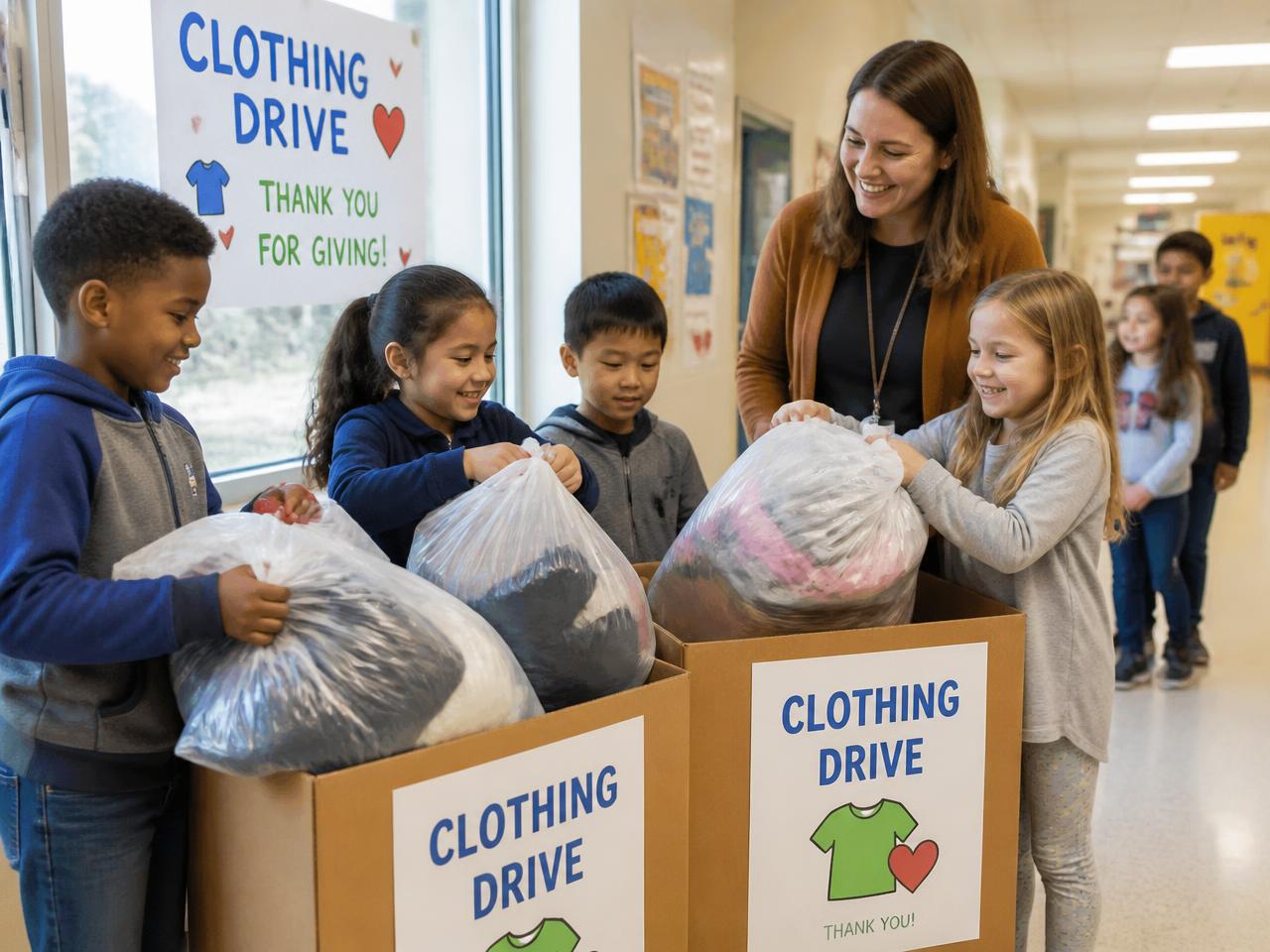
Five steps, start to finish
Most hosts spend under two hours total across the whole drive.
- 1
Reach out
Call or text us, or fill out the form. Tell us who you are and roughly when you'd like to collect. We'll suggest dates that work for our truck schedule.
- 2
Lock in your dates and drop spot
Pick your drive dates and one designated collection spot on the property. We'll confirm the schedule and document exactly where our team will pick everything up.
- 3
Print the flyer and announce it
Download our flyer, add your dates, and post it where people already gather. Send one email or group message so nobody is surprised.
- 4
Collect
Bags pile up. We provide messaging you can copy and paste for reminders, and we're a phone call away the whole time.
- 5
We pick it all up
On pickup day our team loads everything from your collection point. For apartments, we pick up directly from the one spot your property chose — no need to go door to door. No lifting, no hauling, no drop-off trips.
One-time or ongoing — your call
Plenty of schools, churches, HOAs and businesses find that donations keep coming in long after their first drive. Pick the rhythm that fits your calendar and we’ll put a standing pickup on the schedule — no need to re-book each time.
One-time
A single collection window
Monthly
Steady, low-effort volume
Quarterly
Great for seasonal closet clean-outs
Semi-annually
Spring and fall pushes
Annually
One big yearly campaign
Just tell us your preferred frequency on the request form and we’ll handle the rest.
What to expect
Your drive, week by week.
Day 1
You contact us
We answer with dates, the flyer, and a short checklist. Nothing complicated.
3-4 weeks out
Drive confirmed
Dates, collection spot and one point of contact are set. You're officially hosting.
2 weeks out
Announce it
Flyer goes up, first message goes out. People start setting bags aside.
1 week out
Reminder + bins
One reminder message, bags or bins labeled and in place. Schools launch the class-vs-class competition.
Drive window
Donations roll in
Most drives run one to two days; apartment drives typically run three weeks with one central collection spot. A short reminder 48 hours before pickup day makes a real difference.
Pickup day
We load, you celebrate
Our truck comes to you. Then share the results with your community — people love knowing it worked.
Download a printable flyer
Pick the version that matches your community. Each one is a single letter-size page covering what we collect, how the free pickup works, our Pet Alliance partnership and how to reach us.
Need it customized with your organization’s name, logo or drive dates? Text us and we’ll send one over.

Apartments & HOAs
Built for property managers: one collection spot, a 3-week window, free pickup and zero cost to the community.
Download PDFSchools & PTAs
For front offices and PTAs, with class competition ideas and family-friendly messaging about textile waste.
Download PDFChurches & faith groups
A stewardship-friendly version with bulletin copy, one campus collection spot and free pickup.
Download PDFGeneral community
Great for neighborhoods, offices and break rooms: free home pickups, what we collect and how to book.
Download PDFPrep & education guide
The difference between a good drive and a great one is usually a few small details. Share this with your community before the drive starts.
What makes a great donation
- Clean and dry — a quick wash isn't required, but it is always appreciated.
- Wearable and usable as-is: no rips, heavy stains or missing pieces.
- Shoes paired together, ideally with laces tied or rubber-banded.
- Electronics that power on, with a charger when you have one.
- Pet items that are clean and safe for another animal to use.
What to leave out
- Furniture and large items — too labor intensive to move right now.
- Anything torn, moldy, or genuinely worn out.
- Opened toiletries, medication, or food.
- Broken electronics and single shoes.
Packing tips that save us hours
- Use sturdy kitchen or contractor bags and tie them shut so donations stay dry if it rains on pickup day.
- Keep linens and kitchenware in their own bags.
- Label bags loosely by type if you can — clothing, shoes, toys, pet supplies.
- Keep bags under about 25 lbs so anyone can lift them.
Getting people to actually participate
- Give a deadline. Open-ended drives collect a fraction of the donations.
- Make it a competition: class vs. class, floor vs. floor, team vs. team.
- Say what happens to the items — impact motivates far more than 'declutter'.
- Send a reminder 48 hours before the deadline. This one thing doubles results.
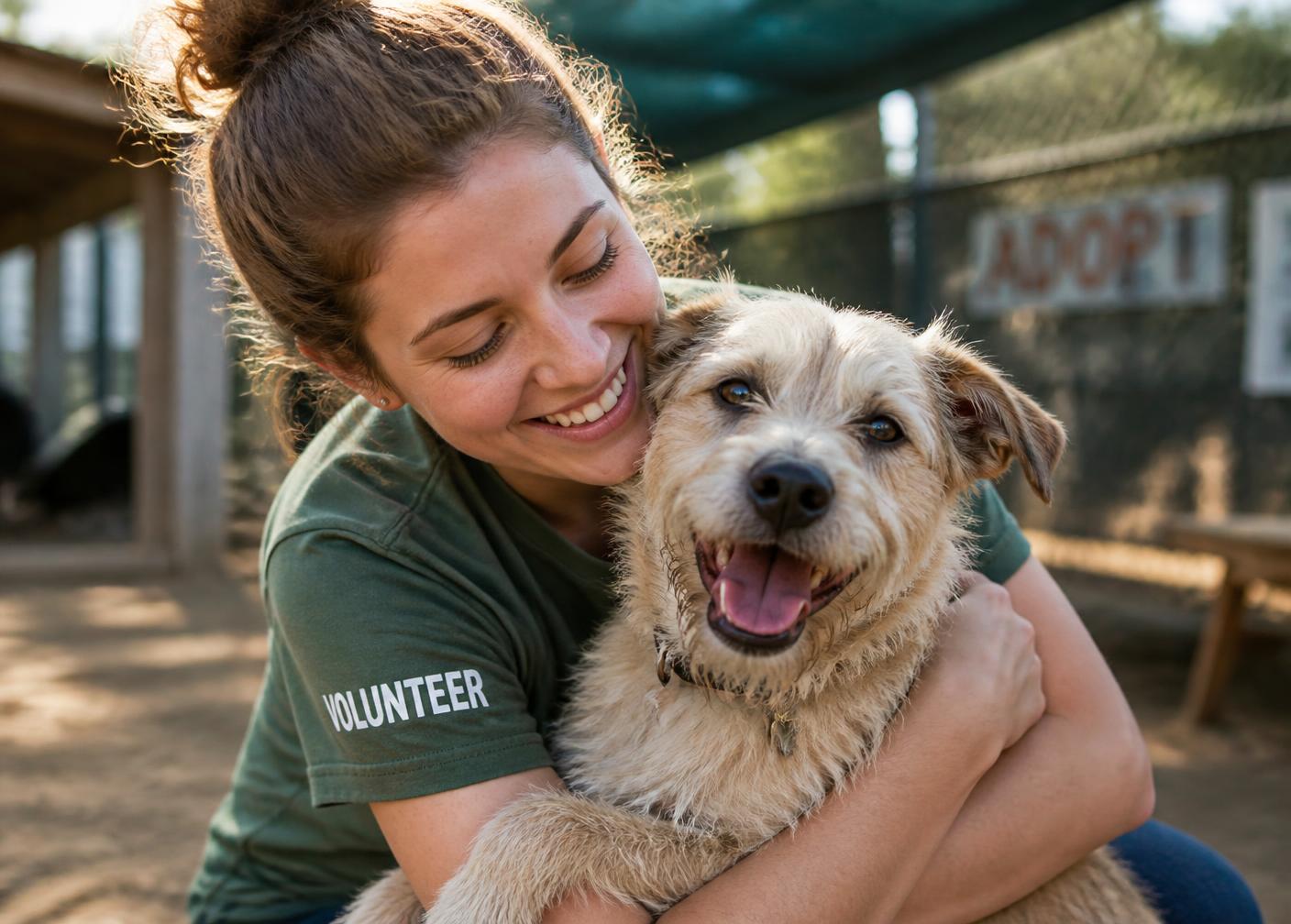
Every bag your community collects helps a pet.
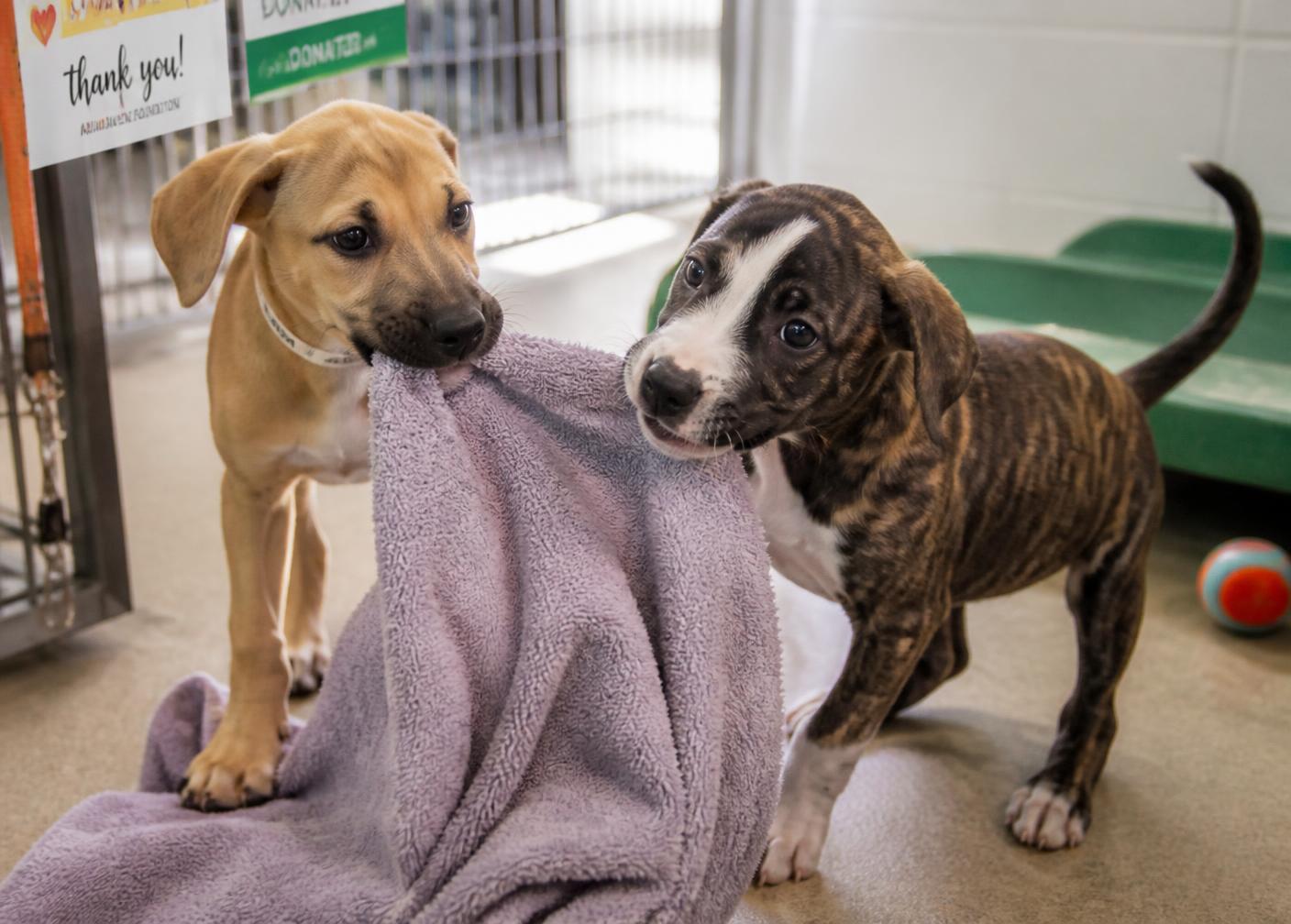
Clothes For Paws partners with Pet Alliance, so the proceeds from what your drive collects go straight into animal welfare work in Central Florida — adoptions, spay/neuter, medical care and the pet food pantry.
A closet clean-out on your end becomes a vet visit, a warm bed and a new home on theirs.
“The bag sitting in your closet isn't trash. It's someone's starting inventory.”
“Give a woman in business affordable inventory and she doesn't need charity again next month.”
“Nothing here gets thrown away twice. It gets used, resold and used again.”
Pick a date and we’ll handle the rest.
Tell us about your school, church, neighborhood or workplace and we’ll come back with dates, flyers and a plan.